
Most professionals assume the friction in networking happens when contact details fail to sync, but the real failure point occurs hours later when a new connection tries to remember why they saved your profile in the first place. Tapping an NFC chip to a smartphone transfers a name and a number reliably, yet without context, that data sits unused in a digital address book. As teams move away from paper, they are realizing that moving to business card alternatives is not just about digitizing a phone number; it is about deploying a persistent, updateable identity layer that captures intent the moment a conversation ends.
Quick Summary
Business card alternatives replace disposable paper with dynamic digital profiles or NFC hardware, allowing professionals to share contact data, portfolios, and capture lead information instantly. Rather than printing stagnant details, these tools build an interactive landing page accessible via tap or scan.
- Software-first platforms excel at enterprise deployment and digital wallet integration.
- Hardware-centric solutions prioritize physical presence with premium materials like metal or specialized plastics.
- Event lead capture requires tools built specifically to export data directly into a CRM.
- Choosing the right setup means deciding whether your team relies on physical meetings or remote networking.
Table of Contents
- Comparison Table
- Buying Guide: The Hardware Dependence Axis
- 1. Popl
- 2. dot.cards
- 3. Wave Connect
- 4. Mobilo Card
- Matching the Solution to Your Networking Model
- Recommended Reads
Comparison Table
| Product | Hardware Dependence | Features | Pros | Cons | Target Audience |
|---|---|---|---|---|---|
| Popl | Hybrid | App-based scanning, CRM integration, digital profile | High scan allowance on free tier, deep CRM sync, enterprise scalable | Rebranding requires top tier, complex pricing, steep learning curve | Enterprise sales teams |
| dot.cards | Hardware-First | Physical NFC devices, web profiles, metal options | Premium physical feel, standard profile is free, robust materials | Analytics require paid sub, high upfront cost, hardware dependent | In-person networkers |
| Wave Connect | Software-First | Apple/Google wallet sync, lead capture, CRM export | Free wallet integration, zero shipping delay, flat team pricing | No physical card focus, relies on buyer hardware, internet required | Digital-first professionals |
| Mobilo Card | Hybrid | Branded NFC cards, CRM leads, identical digital backbone | Distinct physical branding, strong lead routing, unified software | High cost for custom prints, shipping logistics, requires physical exchange | Corporate field teams |
Buying Guide: The Hardware Dependence Axis
Evaluating professional identity platforms requires looking past the digital interface to understand how the data actually travels from your ecosystem to a prospect’s phone. The most critical lens for separating these platforms is Hardware Dependence. This axis dictates whether you are buying a physical object that happens to hold a link, or a software platform that occasionally uses a tap tag business card to trigger a screen. Understanding where a platform sits on this spectrum determines how quickly you can deploy it to a remote team and what happens when an employee loses their physical token.
Software-First platforms treat the physical card as entirely optional or irrelevant. The identity lives in a digital wallet like Apple Wallet or Google Wallet, or is distributed via a static URL and QR code. This category eliminates shipping delays and allows a marketing department to update the corporate identity of a thousand remote employees simultaneously. You deploy these when your team networks primarily over video calls or at highly connected digital-first conferences. Do not compare them against premium metal cards; compare them against enterprise directory software.
Hardware-First solutions view the physical artifact as the primary networking event. The software exists purely to support the tap. These providers invest heavily in materials, offering a metal digital business card, bamboo finishes, or specialized NFC tags that adhere to the back of a phone. The value proposition here is the tactile experience of handing over a premium object that triggers a digital response. If your executives operate in traditional industries where the weight of a card still commands respect, this is the category you evaluate.
Hybrid solutions attempt to bridge the gap by charging recurring software fees for advanced digital features while simultaneously selling physical NFC tokens. These platforms act as complete event lead capture systems, where the physical card is just one endpoint connected to a robust background CRM sync. They suit field sales teams that require physical presence but demand rigorous digital tracking.
Practical rule: Never buy a hardware-first solution for a fully remote workforce, as the logistics of shipping physical NFC tokens to distributed employees will immediately stall adoption.
1. Popl
A single tap initiates the professional exchange. Popl coordinates this interaction. It functions as a complete event lead capture platform and identity layer for individuals and enterprise teams requiring robust data routing. The system uses a Hybrid approach. It blends physical NFC tokens with a heavy emphasis on backend software management. When a user taps a Popl device to a prospect’s phone, the NFC chip transmits a secure URL that opens a responsive web profile. This profile displays the user’s contact information. It also actively prompts the recipient to enter their own details. This writes that lead data directly back into the Popl ecosystem and, subsequently, to an integrated CRM.
According to its published pricing, the Popl Pro plan costs $7.99 per month with monthly billing, or drops to $6.40 per month when billed annually. Teams looking for advanced controls can step up to the Pro+ plan, which is $14.99 per month monthly or $11.99 annually. This tiered structure clearly separates casual users from professional networkers who need to extract data rather than just share a phone number. For professionals trying to consolidate their digital footprint, using a modern identity platform often means choosing a provider that prioritizes the software backend over the physical card.
Enterprise features dictate the commercial tier
Popl aggressively gates its professional features behind its upper pricing tiers to force serious users into the Pro+ ecosystem. For instance, Popl’s free plan allows users to perform unlimited contact scans but restricts them to viewing only the first five scans. This severely limits the platform’s utility as an event capture tool unless you pay. Furthermore, removing Popl branding from shared cards and links requires upgrading directly to the Pro+ plan, a critical requirement for corporate users who cannot have third-party marketing plastered across their enterprise identity.
The structural limit of Popl lies in its aggressive upselling and restricted free access. Independent contractors who attend one or two events a year will find the inability to view their scanned contacts on the free tier entirely counterproductive. If you refuse to pay a recurring monthly fee, the lead capture utility of this platform effectively shuts off.
I would deploy Popl for a dedicated sales team operating at large trade shows where CRM integration is mandatory, but I would avoid it for a solo consultant who just needs a static digital profile.
Pros
- Direct integration with major enterprise CRMs
- Unlimited scanning capability on all tiers
- Robust physical and digital ecosystem
Cons
- Free tier restricts access to captured scan data
- White-labeling requires the most expensive subscription
- Pricing structure is highly tiered
2. dot.cards
Unlike software-heavy competitors, dot.cards is a hardware-focused digital business card company utilizing physical NFC devices paired with customizable web profiles. The platform leans heavily into the Hardware-First category, requiring the buyer to purchase a physical token – whether a card or an adhesive dot – to initiate the networking sequence. Tapping the hardware triggers a browser launch on the receiving device, pulling up the dot.Profile where standard contact information, social links, and a downloadable vCard reside. The data is stored centrally, but the physical object is the primary access key.
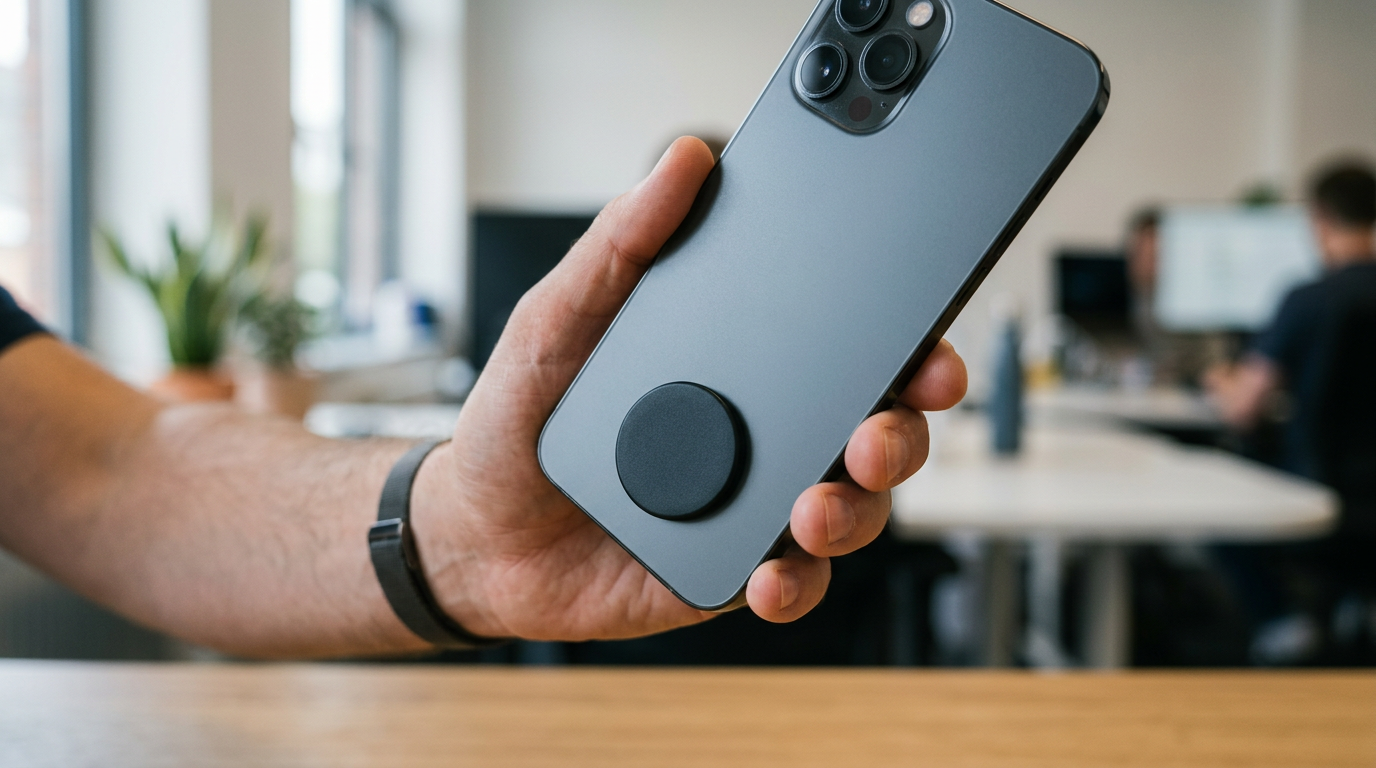
The cost structure reflects this focus on tangible goods. A buyer compares the $30 standard physical card, the $50 premium metal card, and the $15 monthly upgraded profile subscription when planning their budget. This upfront hardware investment model appeals to professionals tired of subscription fatigue. Exploring creative ways to integrate NFC shows that the physical form factor still plays a massive role in how a digital profile is perceived in a conference hall.
Physical materials drive the initial impression
The commercial strategy of dot.cards hinges on the assumption that the physical exchange still matters. However, while the basic profile is free, accessing advanced options like analytics, contact export, and custom colors requires a paid dot.Profile+ subscription. For larger deployments, the Essential Team plan requires an annual subscription per user. This means the perceived one-time purchase actually converts into a recurring software cost if you want enterprise-grade tracking.
Scaling a hardware-dependent network introduces severe logistical bottlenecks. If an employee loses their metal card right before a flight to a conference, their networking capability is entirely severed until a physical replacement arrives in the mail. Teams cannot instantly provision a new card over the air. Organizations that hire rapidly or operate entirely remote teams should skip this architecture.
I would purchase a dot.cards setup for an individual executive who wants a heavy, striking piece of metal to drop on a boardroom table, but not for a high-turnover field marketing team.
Pros
- No recurring fees for the basic web profile
- Premium metal hardware options available
- One-time entry pricing for physical goods
Cons
- Analytics require an expensive monthly add-on
- Physical loss halts networking immediately
- Team software costs scale quickly
3. Wave Connect
Wave Connect strips away the reliance on physical hardware entirely, operating as a software-first digital business card and event lead capture platform designed for professional networking. Falling squarely into the Software-First category, it builds profiles that exist primarily to be shared via URL, QR code, or directly through native mobile wallets. The mechanism is entirely digital: a user generates their profile in the Wave dashboard and pushes it to their Apple Wallet or Google Wallet. At an event, they display a QR code from their phone screen, which the prospect scans to download the vCard or submit their own lead details.
Because there is no physical inventory to manage, the deployment is frictionless. The free plan of Wave Connect allows for unlimited sharing, unlimited contact saving, and integration with Apple Wallet and Google Wallet straight out of the box. Choosing the best networking setup for a modern team often means looking for platforms that leverage the devices employees already carry, rather than adding another piece of plastic to their pockets.
Software deployment bypasses hardware shipping
The commercial model of Wave Connect scales purely on feature sets and user seats. The individual Pro plan costs $7 per month, unlocking deeper CRM integrations and analytics. For corporate deployments, Wave Connect Teams for under 100 users is priced at $60 per user per year. This predictable, flat-rate SaaS pricing makes it highly attractive to procurement departments trying to calculate the exact cost of digitizing a workforce without factoring in lost hardware replacements.
Where Wave Connect falls short is in environments where pulling out a phone is considered rude or impractical. Relying entirely on a phone screen means you are at the mercy of battery life and ambient lighting for barcode scanning. Professionals working in heavy industry, medical settings with strict device policies, or highly formal traditional banking environments will find the software-only approach lacking the necessary physical gravitas.
This platform is the optimal choice for a remote SaaS startup deploying identities to 50 developers simultaneously, provided none of them need to hand over a physical token to a prospect.
Pros
- Native Apple and Google Wallet integration is free
- No physical shipping delays for new hires
- Predictable per-user annual team pricing
Cons
- Lacks the physical impact of a premium card
- Entirely dependent on smartphone battery life
- Requires the user to navigate their phone UI during introductions
Practical rule: When comparing software-first tools, check whether the native wallet integration requires a paid tier; if it does, the true cost of deployment is immediately higher than the advertised base rate.
4. Mobilo Card
Mobilo Card occupies the Hybrid space by providing an NFC-enabled smart business card solution that strongly pairs physical branded landing pages with robust CRM lead management integrations. The core mechanism is straightforward but highly customizable: tapping the physical card triggers one of four distinct modes – a standard digital profile, a direct lead generation form, an immediate link to a specific URL, or a direct vCard download. The backend routing allows the user to switch modes on the fly, meaning the same physical card can act as a standard business card in the morning and a dedicated newsletter signup tool in the afternoon.

Cost is tied directly to the physical customization. A standard physical Mobilo-branded card has a list price of $19.99, while a fully custom-designed physical card costs $39. The digital profile functionality remains identical between the two; the Mobilo card and the custom card share the exact same software backbone, but the standard card includes company branding on its physical face. Standardizing an office identity requires consistency, making the custom-printed option practically mandatory for larger firms wanting to maintain their visual brand.
Custom prints bridge the paper transition
The value of Mobilo is its ability to look like a traditional paper card while acting like a digital capture device. It satisfies older executives who demand their corporate logo on a piece of plastic, while giving the marketing team the backend data routing they actually want. The four-mode switching feature is particularly powerful for varied networking environments.
The undeniable friction with Mobilo is the cost of that custom hardware. Paying $39 per employee just for the custom physical token – before any recurring team software fees – makes sweeping corporate deployments expensive. Furthermore, if the company rebrands or changes its logo, every single physical card in the field becomes obsolete and must be repurchased. Companies undergoing frequent branding iterations should avoid committing to custom-printed NFC tokens.
I would mandate Mobilo for a traditional real estate brokerage transitioning away from paper, as the custom physical card provides a familiar crutch while introducing necessary digital tracking.
Pros
- Four interchangeable routing modes on a single card
- High-quality custom physical printing available
- Identical digital functionality across all hardware tiers
Cons
- Custom printed hardware carries a high upfront cost
- Physical rebranding requires purchasing all new inventory
- Lower-tier physical cards act as billboards for the provider
Matching the Solution to Your Networking Model
Selecting the best tap business card alternative is not about finding the most features; it is about mapping the tool’s architecture to the way your specific team actually meets people in the field.
If your organization requires a Software-First approach because employees are distributed globally and rarely meet clients in physical rooms, choose platforms like Wave Connect. This ensures that every team member has an active, compliant digital identity sitting in their Apple Wallet on day one, without waiting on global logistics to deliver a piece of plastic.
When your environment demands a Hardware-First interaction, where the quality of the object being handed over dictates the perceived value of the introduction, dot.cards provides the necessary tactile experience. The upfront investment in metal or premium materials pays off when networking in traditional finance, luxury real estate, or high-end consulting where a screen scan feels too transactional.
For teams that need a Hybrid deployment to bridge the gap between traditional field sales and modern CRM tracking, look to Popl or Mobilo Card. These systems allow field representatives to carry a branded physical object for the initial handshake, while relying heavily on the software backend to ensure every interaction is captured, categorized, and pushed directly to the marketing department’s database before the representative even leaves the conference floor.